On the Shop Floor With Firstar: How Our CNC Milling Centers Work
When people think about CNC machining centers, they often picture a single machine cutting metal in isolation. The reality inside Firstar Precision is very different. Our CNC milling centers are part of a tightly integrated environment where multiple machining technologies work together to produce complex, highly engineered parts.
Firstar’s shop floor is home to horizontal and vertical CNC milling centers, alongside other capabilities like wire EDM, laser etching, OD grinding, and advanced turning. Together, these systems allow us to produce parts that would otherwise require multiple vendors, handoffs, and long lead times. Each plays a specific role depending on part geometry, tolerance requirements, and production volume.
This versatility is intentional. It’s what enables us to act as a true contract manufacturing partner, not just a machine shop.
Below, we’ll walk through the primary CNC milling centers inside Firstar, explain how each machine type works, and share the kinds of parts we see come across our shop floor every day.
Horizontal Milling
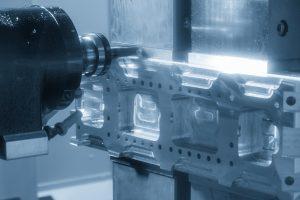
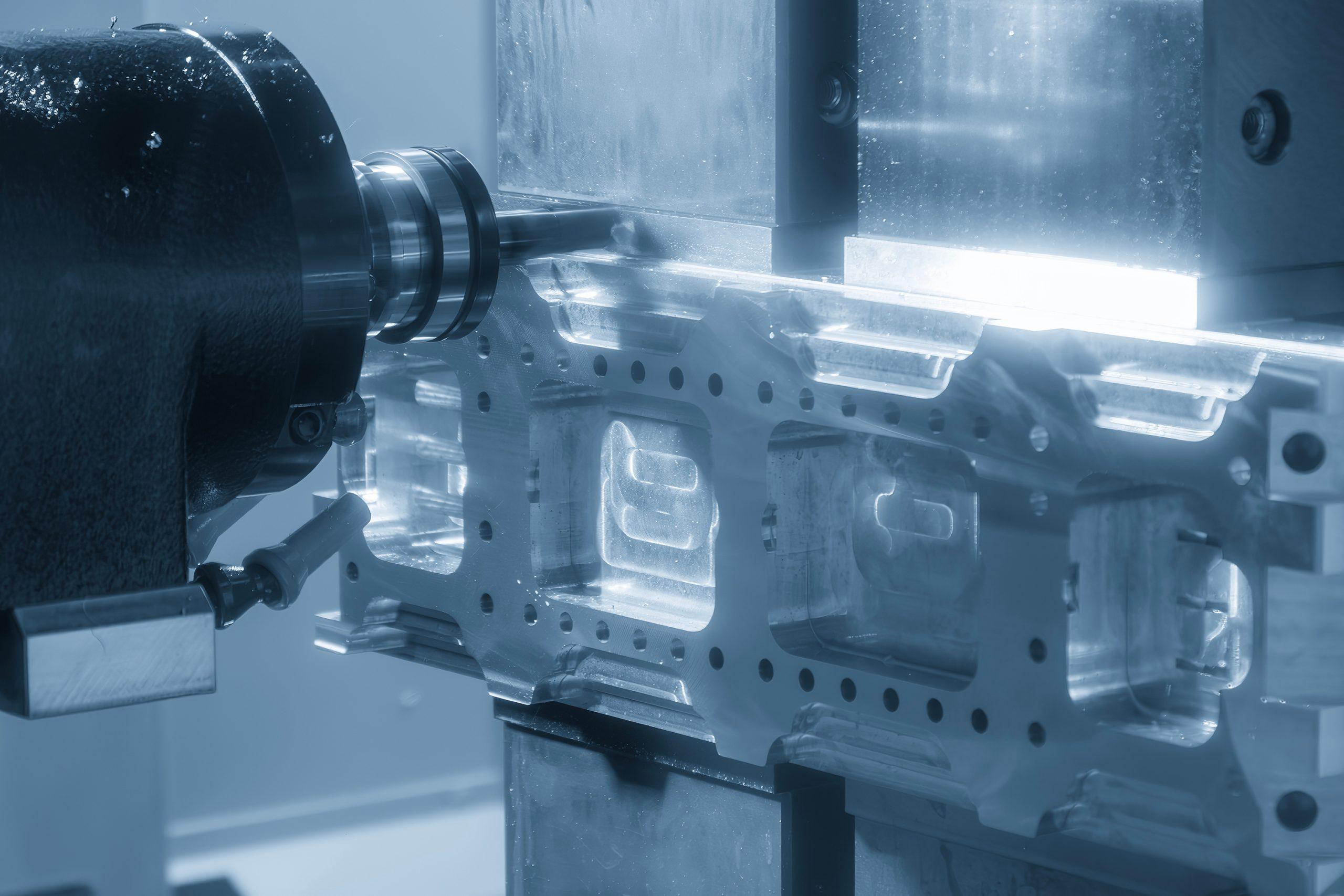
Horizontal CNC milling centers are designed for efficiency, rigidity, and multi-sided machining. At Firstar, our horizontal milling machines feature dual 400 mm pallets and full B-axis capability, allowing for continuous operation and reduced setup time.
Key specifications include:
- X-axis travel: 22 inches
- Y-axis travel: 22 inches
- Z-axis travel: 24.8 inches
- Spindle speed: 14,000 rpm
How Horizontal Milling Works
In a horizontal milling center, the spindle is oriented horizontally rather than vertically. This orientation allows gravity to assist with chip evacuation, which improves surface finish and tool life, especially when machining harder materials or deep pockets.
The B-axis enables the workpiece to rotate, allowing multiple sides to be machined in a single setup. Combined with pallet changers, horizontal mills can run while another part is being loaded or unloaded, significantly increasing productivity.
Typical Applications for Horizontal Milling
Horizontal milling is often used for:
- Complex prismatic parts
- Multi-face components
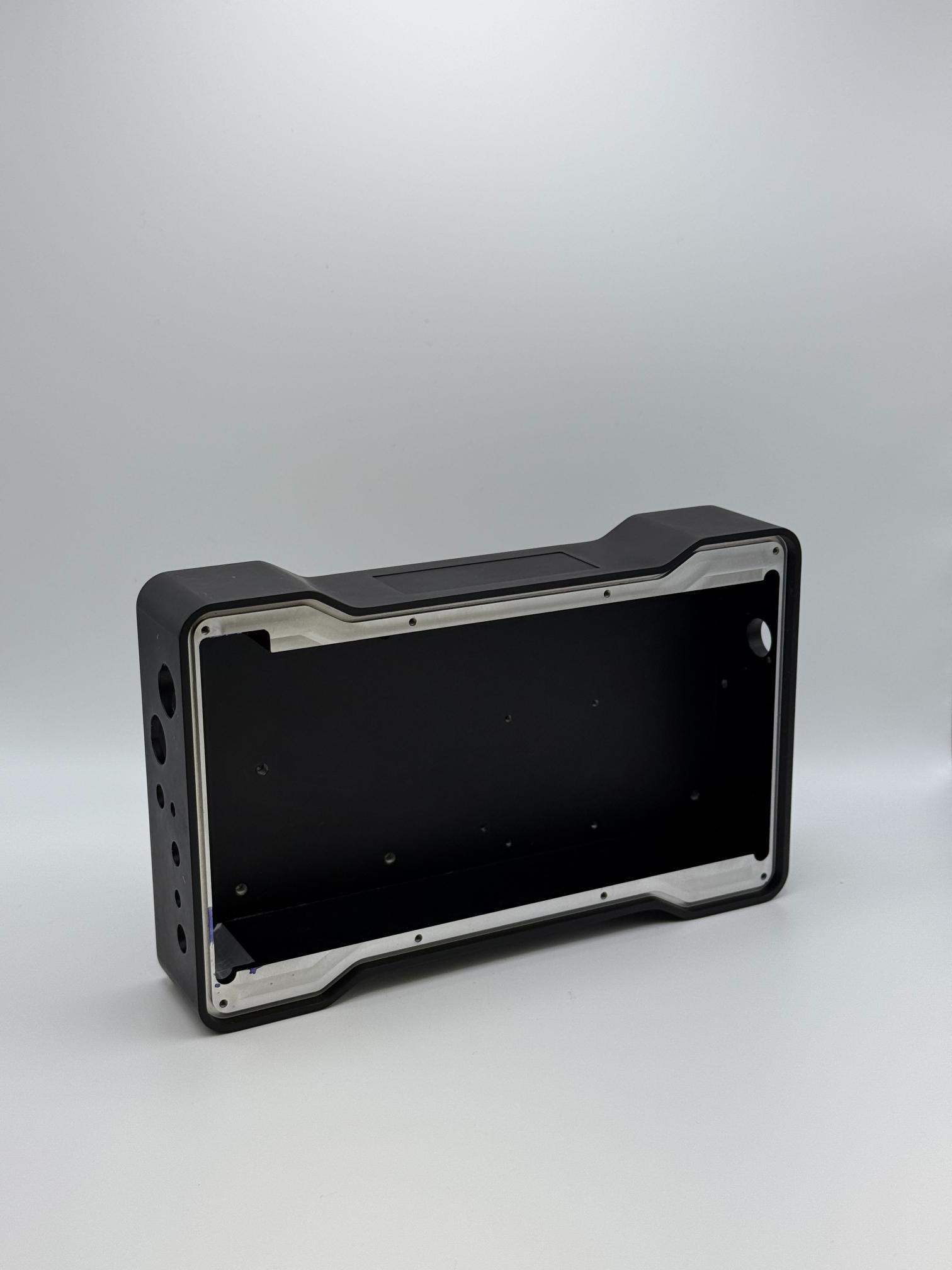
- Structural housings
- High-precision fixtures
- Parts requiring extensive pocketing or deep cavities
These machines shine when parts require machining on several faces with tight positional tolerances.
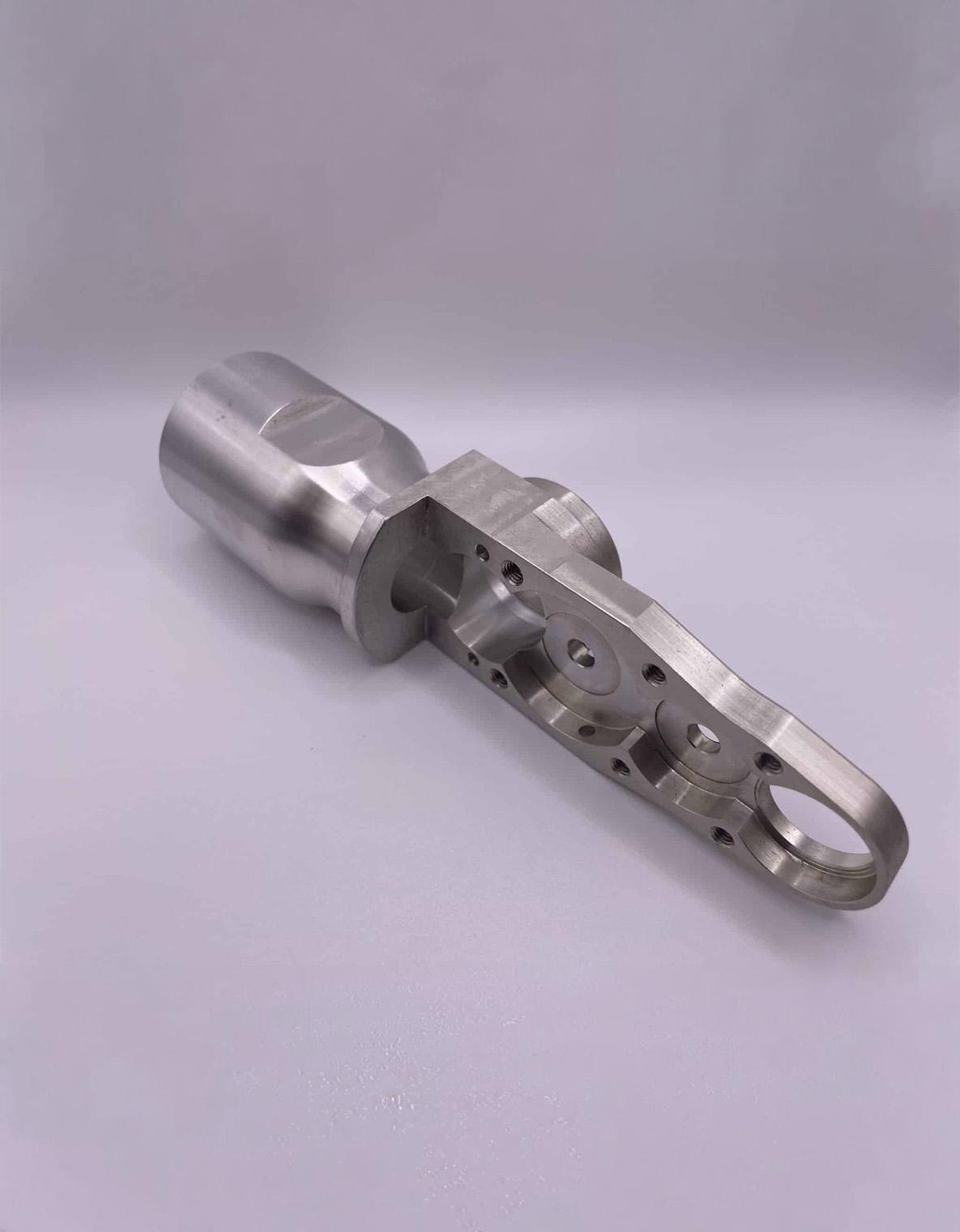
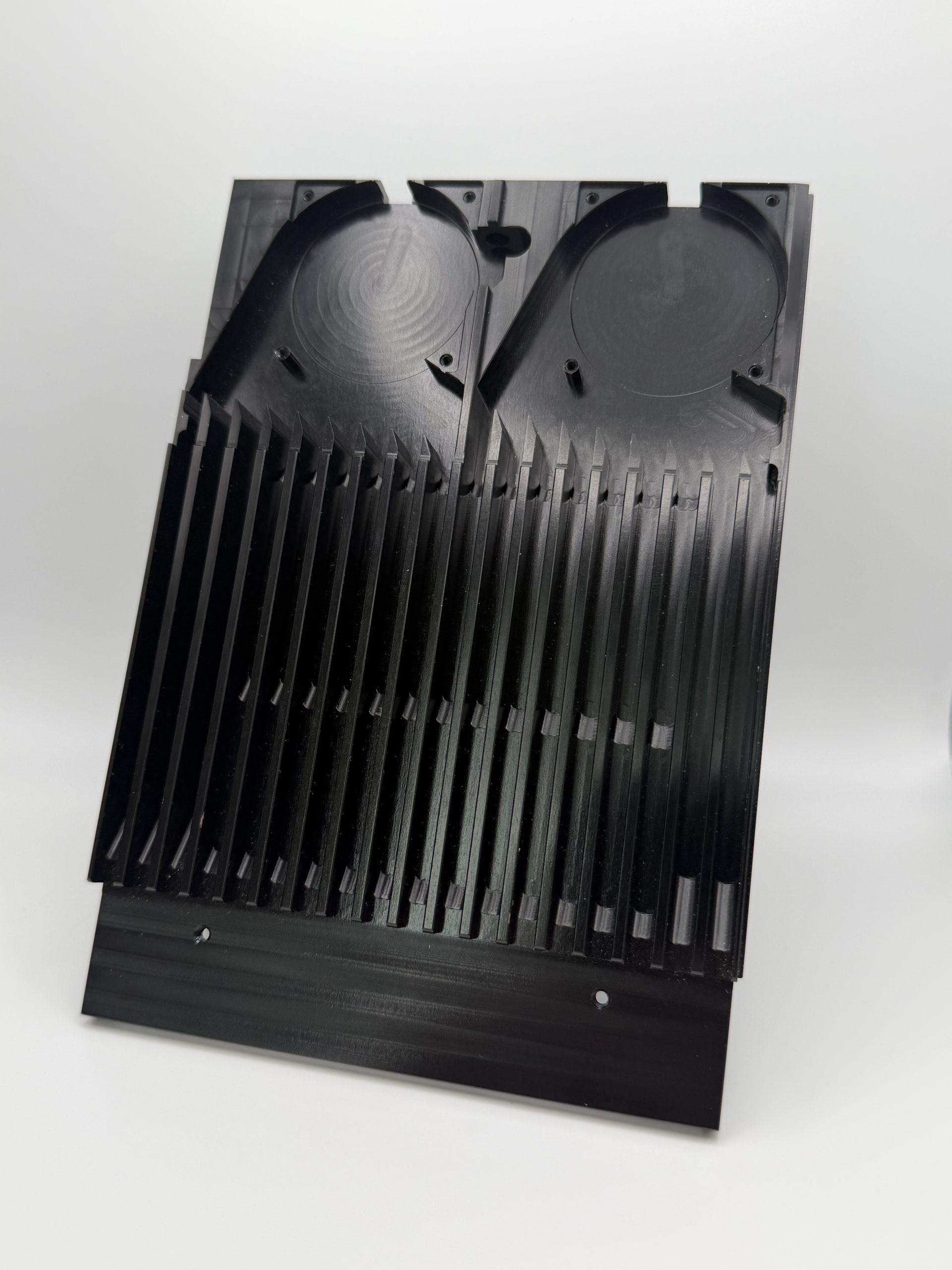
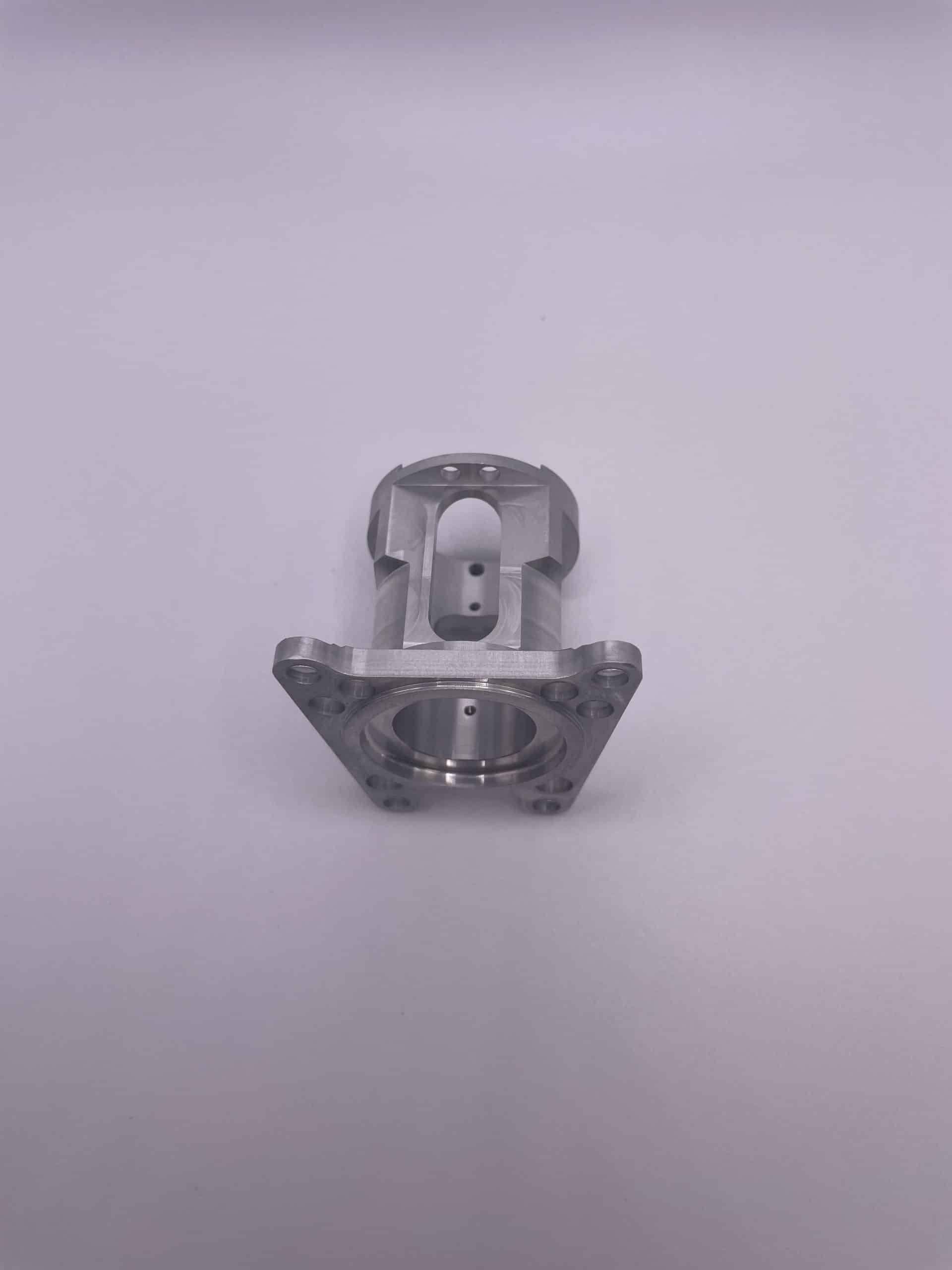
Examples of Horizontal Milling Parts
Vertical Milling
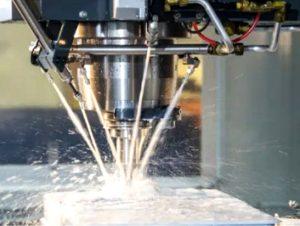
Vertical CNC milling centers are among the most versatile machines on the shop floor. Firstar’s vertical mills feature full A-axis capability and are well-suited for a wide range of part sizes and geometries.
Specifications include:
- X-axis travel: 41.3 inches
- Y-axis travel: 20.9 inches
- Z-axis travel: 20.1 inches
- Spindle speed: 12,000 rpm
How Vertical Milling Works
In vertical milling, the spindle is oriented vertically, allowing tools to approach the workpiece from above. This configuration is intuitive and flexible, making it ideal for machining flat surfaces, pockets, slots, and drilled features.
With rotary axis capability, vertical mills can also machine multiple sides of a part, reducing the need for repositioning. Tool changers allow rapid switching between cutters, enabling complex operations within a single program.
Typical Applications for Vertical Milling
Vertical milling is commonly used for:
- Plates and brackets
- Custom fixtures
- Prototypes and short-run production
- Parts with large flat surfaces
- General-purpose machined components
These machines are often the go-to solution for projects requiring flexibility and fast turnaround.
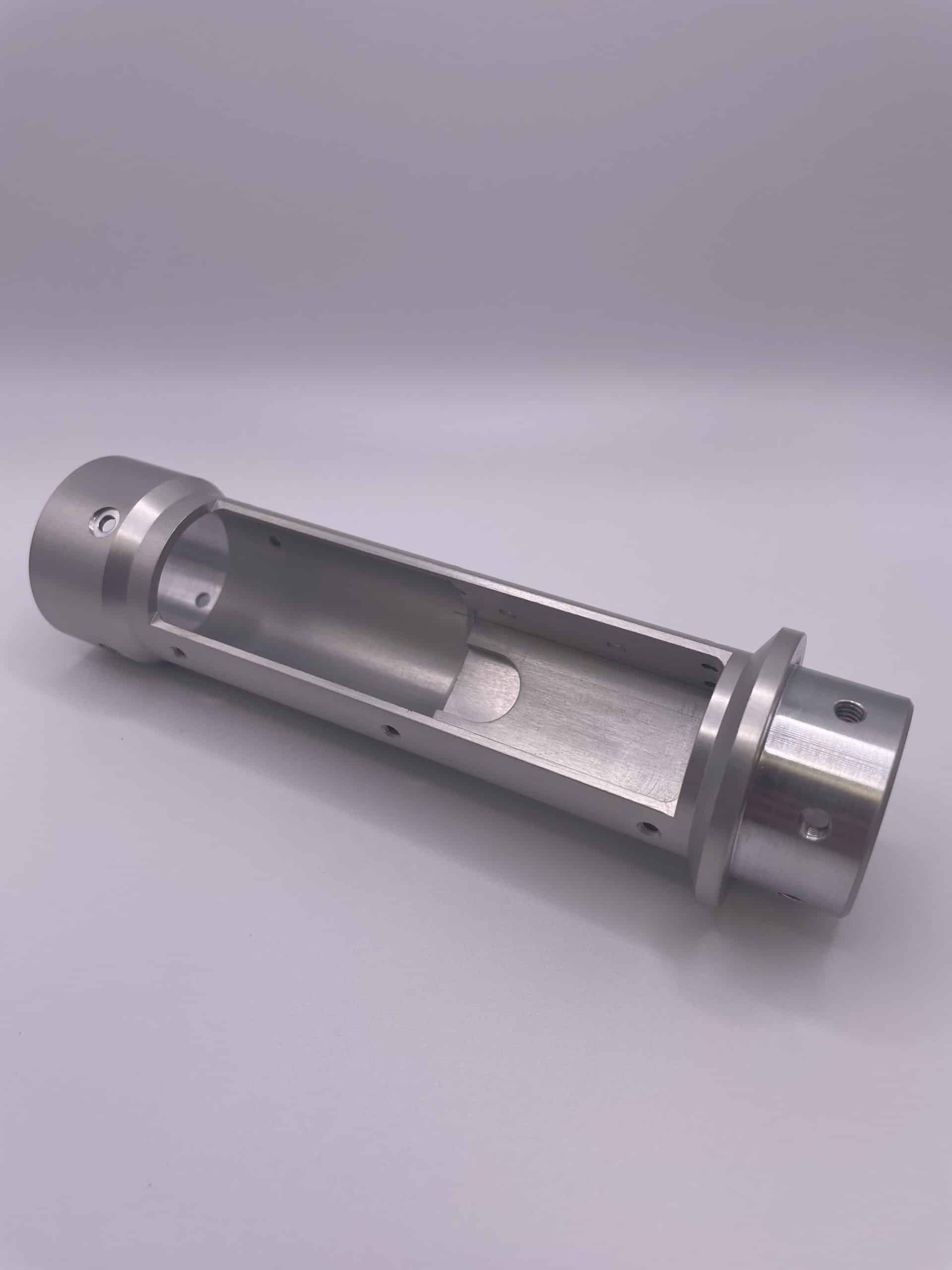
Examples of Vertical Milling Parts
Complementary Capabilities: Multi-Axis Mill-Turning
Multi-axis mill-turning is where complexity meets efficiency. These machines combine the capabilities of CNC lathes and milling centers into a single machine tool, allowing for the creation of highly complex geometries in a single setup.
At Firstar, our multi-axis mill-turn machines include 4-axis and 5-axis turning centers with integrated milling capability and bar capacity up to 3 inches. They’re built for precision work and are capable of holding tolerances down to 0.00001 inches (ten millionths). That level of accuracy is what our customers rely on for mission-critical components.
How Multi-Axis Mill-Turning Works
Traditional machining often requires a part to be moved between machines: turned on a lathe, then milled on a separate machining center, then possibly moved again for secondary operations. Each move introduces risk for misalignment, tolerance stack-up, and additional handling time.
Multi-axis CNC mill-turning eliminates much of that risk. The workpiece is held in a spindle that can rotate like a lathe, while live tooling and milling heads cut features along multiple axes. With simultaneous control over the X, Y, Z, and rotary axes, the machine can produce complex features in a single setup.
That means off-center holes, milled flats, cross-holes, slots, compound angles, and undercuts can all be created without removing the part from the machine. Fewer setups lead directly to tighter tolerances, better surface finishes, and faster overall production.
Typical Parts Made on Multi-Axis Mill-Turn Machines
We see a wide range of parts produced on these machines, especially those requiring high precision, complex features, and tight tolerances.
Common examples include:
- Precision shafts with milled features
- Valve bodies and fluid control components
- Medical and aerospace hardware with compound angles
- Custom fasteners with complex head geometries
- Tight-tolerance bushings with cross-drilled or milled features
These parts often demand both rotational accuracy and intricate milling, exactly what mill-turning excels at.
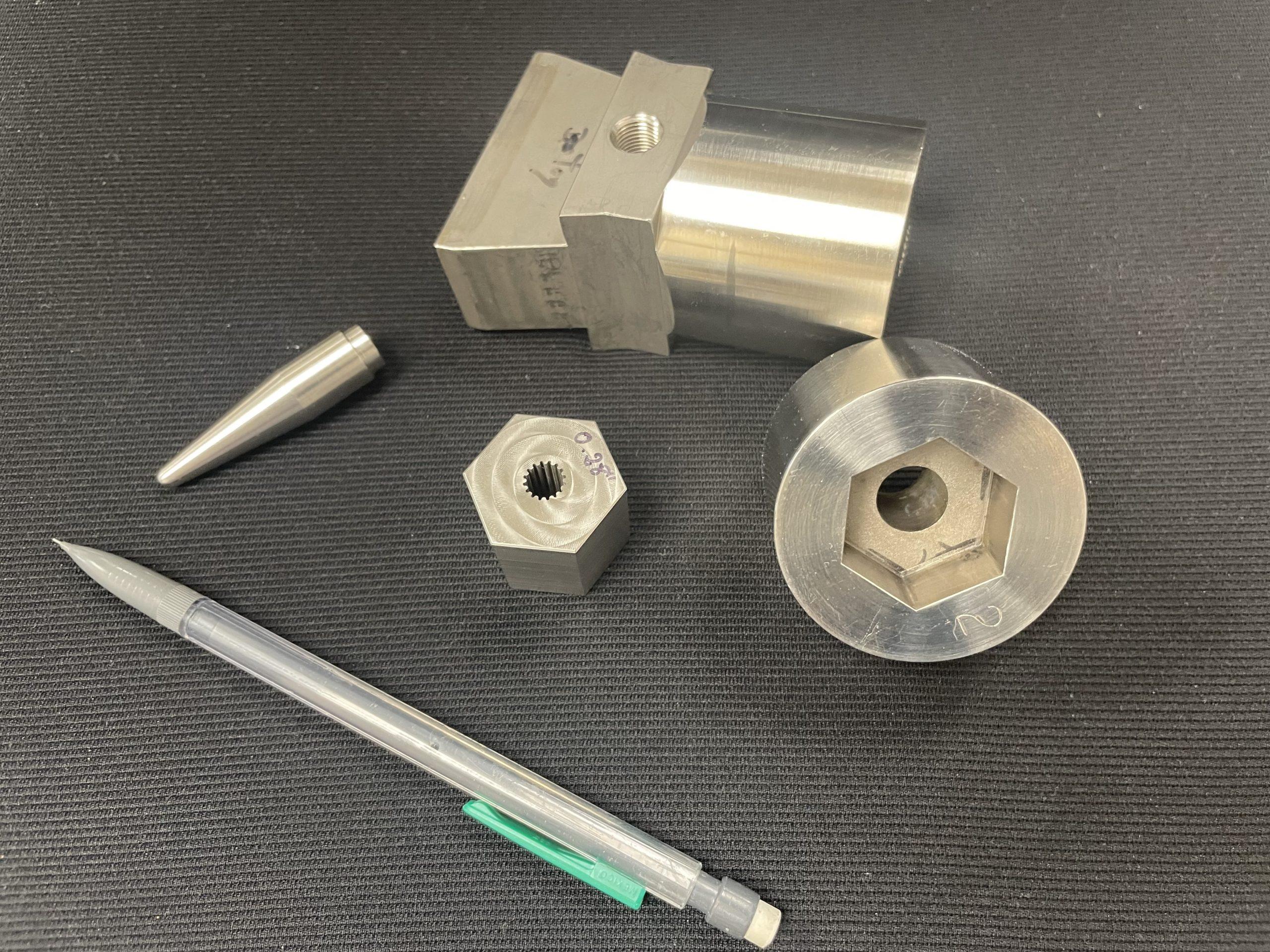
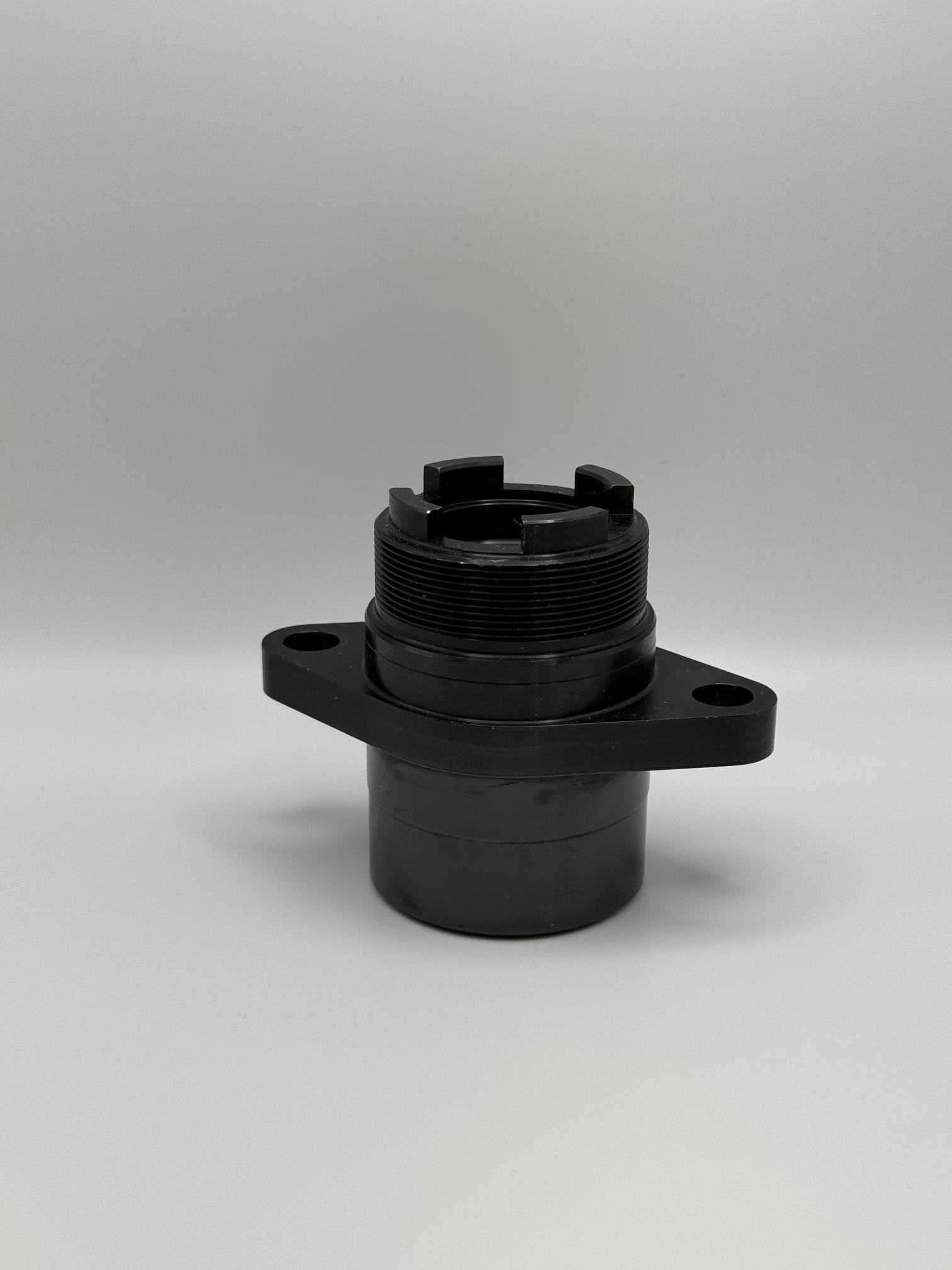
Examples of Multi-Axis Mill-Turning Parts
Frequently Asked Questions About CNC Milling
What types of materials can be machined using CNC milling?
CNC milling is exceptionally versatile and can process a wide array of materials, including but not limited to: aluminum alloys, stainless steel, tool steel, titanium, brass, copper, plastics, and various composite materials. The specific material dictates the tooling, cutting parameters, and machine configuration.
What are the typical lead times for CNC milled parts?
Lead times for CNC milled parts depend on factors such as part complexity, material availability, order volume, and required post-processing. While simple prototypes might have lead times of a few weeks, complex production runs can extend to several months at some manufacturers. But at Firstar, we can reprioritize production schedules to respond to immediate customer demand, no matter the size of the batch. Our lead times can be as short as one week depending on the factors listed above.
How does CNC milling compare to other manufacturing processes?
CNC milling offers distinct advantages over many other manufacturing processes. Compared to traditional machining, CNC provides superior precision, repeatability, and automation. Relative to additive manufacturing (3D printing), CNC milling typically offers higher material strength, better surface finish, and greater accuracy for structural components. Its ability to create complex geometries with high material integrity sets it apart.
What file formats are required for CNC milling projects?
For CNC milling projects, we typically see formats such as STEP (.stp or .step), SolidWorks (.sldprt) or other industry-standard formats. Additionally, 2D drawings in PDF or DWG formats are necessary for communicating critical dimensions, tolerances, and surface finish requirements.
Partner with Firstar: Elevating Your Manufacturing Projects
Choosing Firstar means partnering with a leader in precision CNC machining. By operating a full range of CNC milling and turning technologies under one roof, Firstar reduces complexity, shortens lead times, and improves part quality.
For customers, that means fewer vendors to manage, fewer handoffs, and more confidence that parts will meet specifications the first time. Whether you’re sourcing production-volume turned components or complex multi-axis parts, our CNC milling centers housed in Brunswick, Ohio are built to support your production goals.
If you’re looking for a machining partner that understands precision, flexibility, and the realities of modern manufacturing, Firstar is ready to go to work.
Contact us today to discuss your specific project needs.