Overcoming the Challenge of Superalloys in CNC Machining
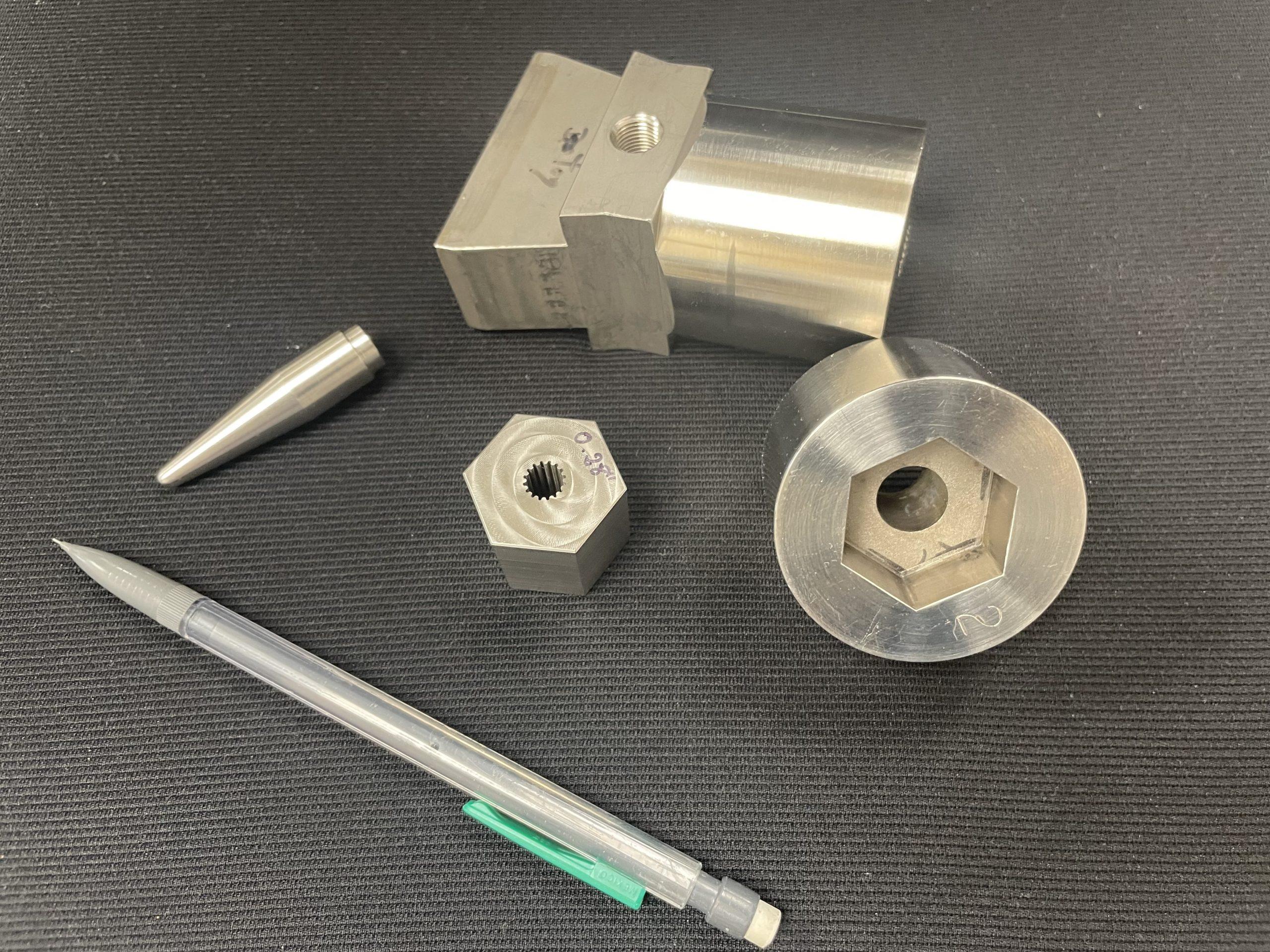
Superalloys have become mainstay materials for aerospace and defense components that need to perform consistently, and do so under extreme temperatures.
Understanding superalloys – where they came from, what they’re used for, and the differences between them – matters when selecting materials for parts like turbine engine discs or a missile system components.
In this article, we’ll explore the history of superalloys and why they’ve become the materials sourcing teams, engineers, and contract manufacturers (like our team at Firstar) rely on for the toughest applications.
A Quick Introduction to Superalloys
The term “superalloys” refers to a mixed metal (alloy) that is engineered to perform under extreme conditions, most often extreme temperature. They are built to withstand temperatures of 700°C to over 1,000°C without losing structural strength.
The two properties that most differentiate superalloys from any other materials are creep resistance and oxidation resistance.
Creep resistance refers to the material’s ability to resist permanent deformation when held under stress at high temperature over long periods of time.
Oxidation resistance is the ability to maintain a stable surface rather than scaling or degrading when exposed to hot, often corrosive, atmospheres for extended periods.
Inconel is one of the most commonly used superalloys and the one we handle most frequently on our shop floor. Other superalloys include Hastelloy, Haynes 230, and Waspaloy.
The History of Superalloys
Early development of superalloys traces back to 1918 when the earliest ancestor of the category, a nickel-chromium alloy known as Nichrome, was patented.
Researchers continued experimenting and found that adding small amounts of aluminum and titanium to Nichrome improved its creep resistance. Throughout the 1930s, metallurgists across the world would continue to independently develop nickel- and iron-based alloys that would lay the groundwork for modern-day superalloys.
During World War II, superalloys became more needed than ever. The rapid development of jet engine technology led to operating temperatures increasing dramatically – from 550˚C to 780˚C. Traditional materials, such as steel, could no longer hold their shape at such temperatures and a new material was needed. This development led to accelerating nickel-based superalloys, such as Nimonic 80, into commercial production for jet engines.
Researchers continued to experiment with new superalloys and explored applications for these materials outside the aerospace industry. Recently, NASA researchers developed a 3D-printable superalloy called GRX-810 that has been licensed to four U.S. manufacturers and is intended to reduce the costs of space exploration.
A century after Nichrome was first patented, the category is still evolving.
3 Categories of Superalloys and Their Uses
There are three main categories of superalloys, coinciding with their primary alloying element: nickel, cobalt, or iron.
Nickel-Based Superalloys
This is the most common and most researched superalloy family. Home to Inconel 718, Waspaloy, and Hastelloy X, nickel superalloys typically offer the best balance of high-temperature strength, creep resistance, and oxidation resistance, which is why they dominate gas turbine and aerospace applications.
We see clients choose Inconel for parts used in high temperature, highly corrosive environments. One example is a fuel system component we machine for a land-based gas turbine used in power generations.
Cobalt-Based Superalloys
These remain the most challenging and expensive superalloys to source and machine. Compared to their nickel- or iron-based alternatives, cobalt-based superalloys can’t be age-hardened to the same strength levels and are the hardest materials to machine.
However, they are chosen most often for medical implants and components because of their wear resistance in acidic or highly corrosive environments.
Examples include Haynes 188 and Stellite 6.
Iron-Based Superalloys
These serve as more economical alternatives to nickel- and cobalt-based alloys. Iron-based superalloys deliver the same general advantages but to a lesser degree and at a meaningfully lower price point. For less-critical components that still need to survive sustained heat, superalloys like A-286 or Incoloy 800 are great choices.
Common Applications of Superalloys
Most superalloys are used for aerospace applications because they are mechanically very strong, resist high temperature, and have excellent corrosion resistance at those extreme temperatures. However, that’s far from the only place they are used.
Other uses include:
- Rocket engines and space hardware
- Land-based power generation
- Petrochemical and energy production equipment
- Internal combustion engines
- Metal-forming tools and dies used in hot-working processes
- Heat-treating equipment
- Nuclear power reactors
- Coal conversion systems
- Guided missile system components
- Military aircraft and turbine hardware
- Down hole tooling for oil and gas
Whenever you have a high-temperature, highly corrosive environment, a superalloy can and should be used for your machined parts.
Challenges of Superalloy Machining
Choosing the right superalloy is only half the sourcing decision. The other half is finding a machining partner who can actually produce the part.
The properties that make superalloys valuable are the same properties that make them difficult to cut.
Machining processes that work reliably on steel or aluminum often fall apart on superalloys for the following reasons.
Holding Heat
Superalloys have low thermal conductivity and hold heat in the cutting zone instead of dissipating it into the chip or the surrounding material like steel does. The cutting edge runs hotter than you’d see on conventional metals, which can shorten the tool life.
Built-Up Edges
Superalloys are adhesive to cutting tools, which tends to result in a built-up edge that negatively affects the part’s surface finish and dimensional accuracy.
High Cutting Forces
Superalloy machining generates high cutting forces due to the strength of the material, leading to faster tool wear. Machining these parts requires robust tools that can handle this force.
Abrasive Properties
Elements like chromium, tungsten, and cobalt give superalloys an abrasive nature. This causes faster tool wear.
Work-Hardening
Superalloys work-harden readily during the cutting process. The workpiece can harden at the point of contact between a cutting tool and the alloy, which can lead to potential failure, especially if your part requires interrupted cuts.
Long Chips
Superalloys tend to produce long chips that interfere with the cut. The sliced-off metal curls into continuous ribbons that get in the way of the cutting tool and cause surface damage if the cutting parameters aren’t strategically set.
Specialty Tooling
To machine superalloys effectively, manufacturers need advanced tooling solutions like cubic boron nitride (CBN) and ceramic inserts. Ceramic is a common choice for our engineering team as it holds heat to extreme temperatures and effectively melts the metal for a precision finish.
Firstar Can Handle the Challenge
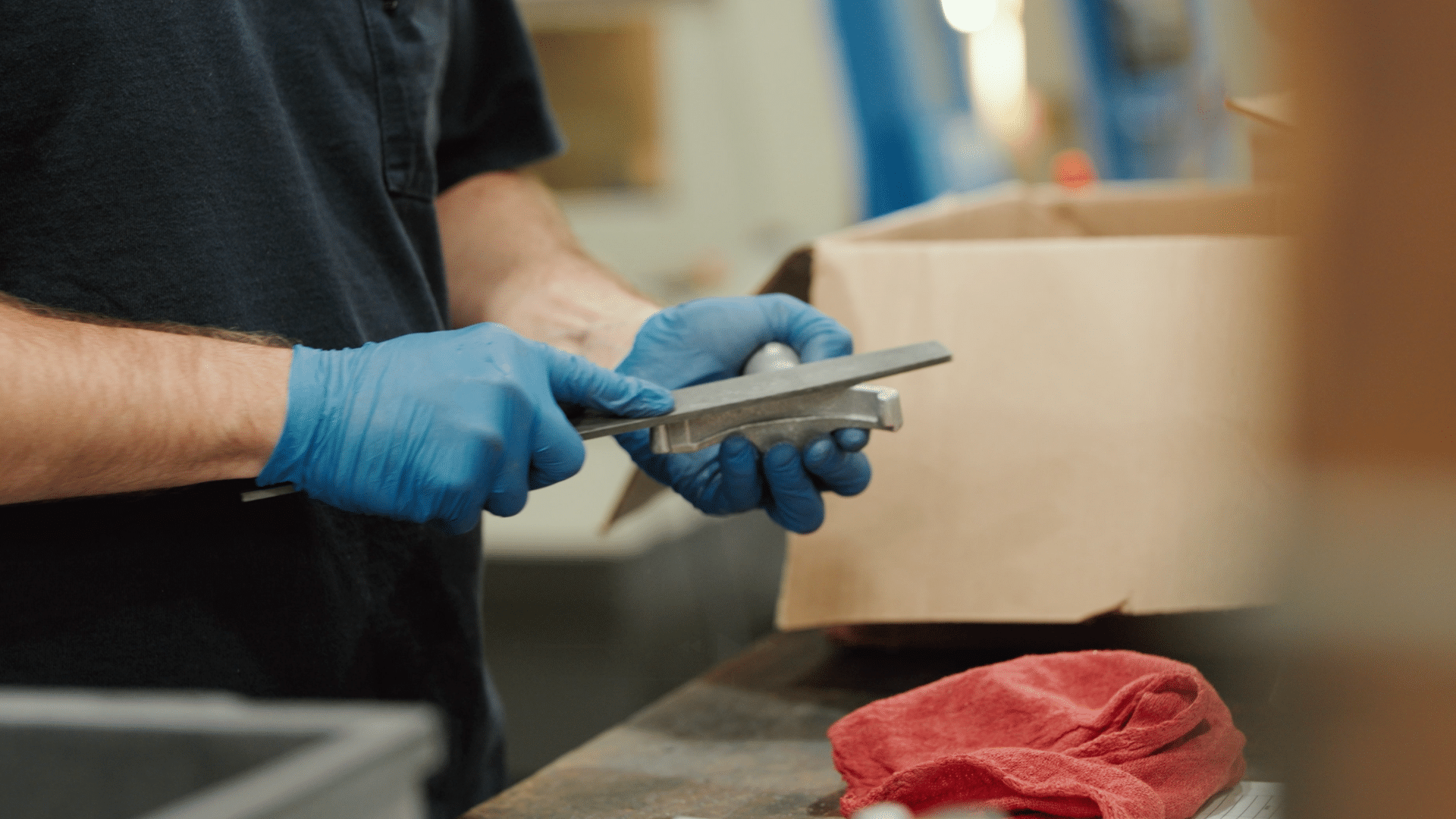
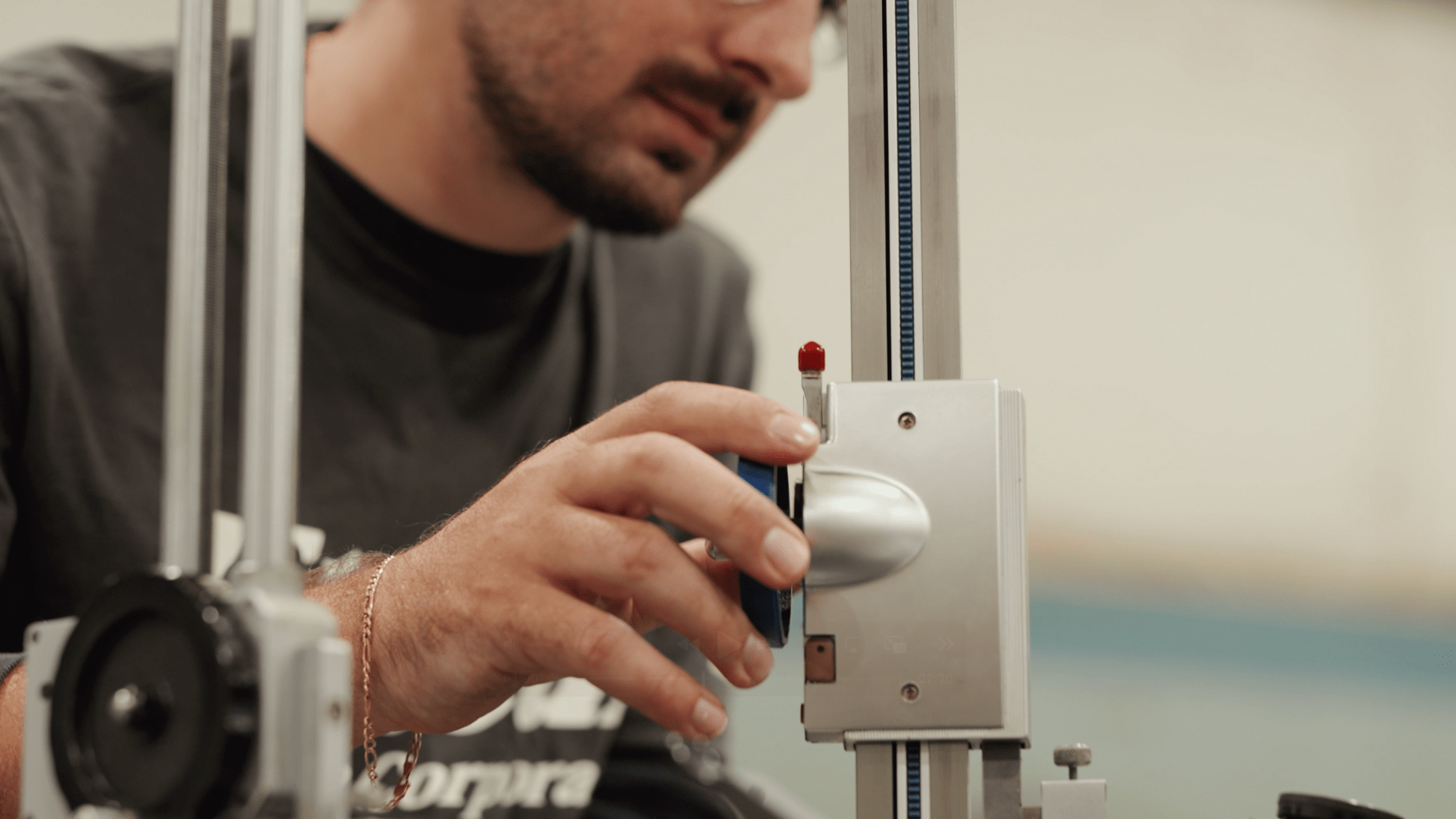
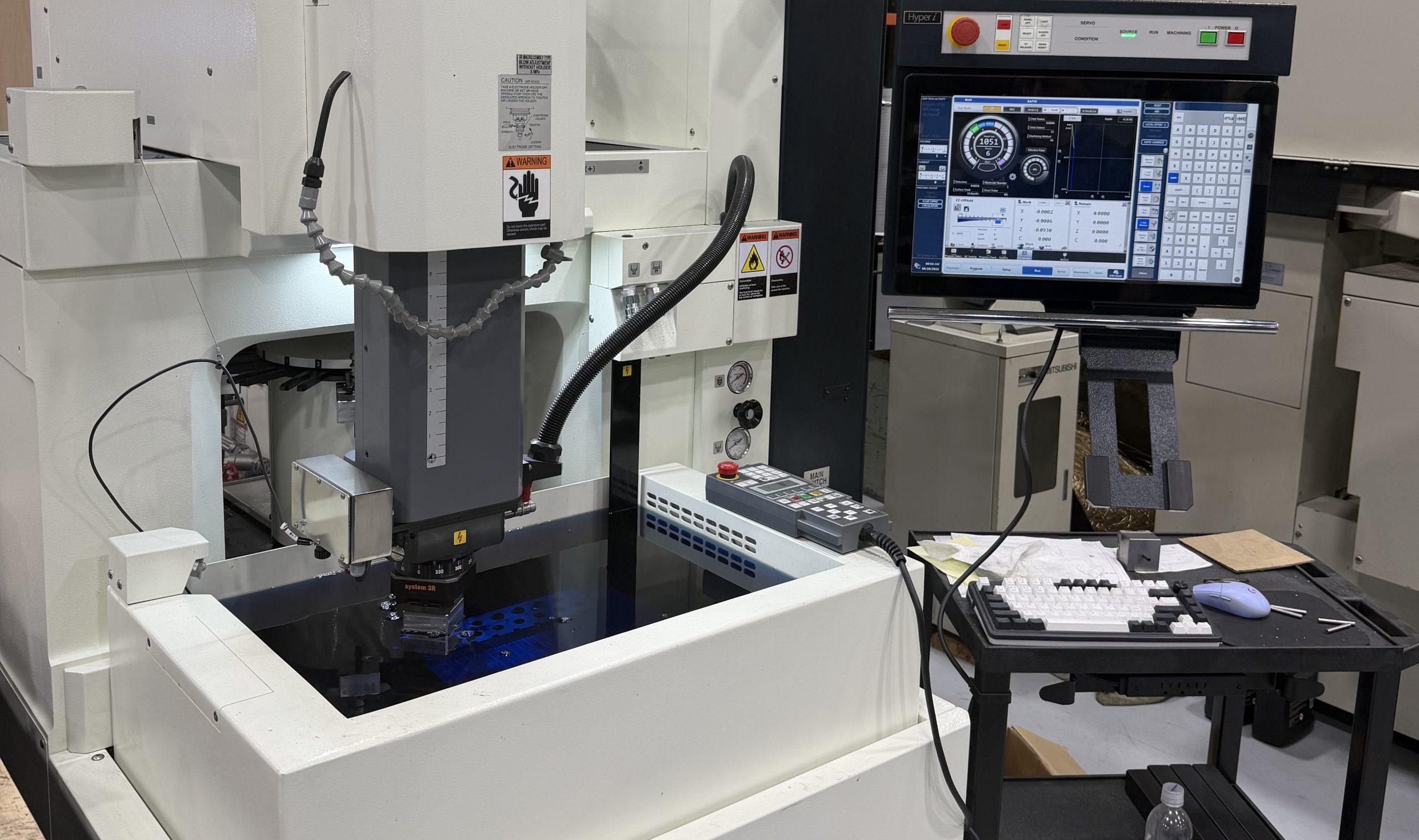
None of these are reasons to avoid these materials, but they are reasons to be selective about who cuts them. Our team of engineers and machinists have learned to adjust and refine setups, toolpaths, cutting speeds, depths of cuts, feed rate, tool changes, and coolants to consistently machine superalloy parts to exact specifications.
We understand that getting these steps wrong shows up as scrapped material, blown budgets, and parts that are unable to perform as needed. Our years of experience allow us to mill, turn, and drill superalloy components with the precision these parts demand.
It’s worth noting that many other materials, while not technically classed as superalloys, carry many of the same challenges of superalloys. Our team has handled Nickel 200, NASA’s shape memory alloys, maraging steel C300/C350, molybdenum, and other superalloys still in development from national research centers. They each bring their own challenges and will require a plan to machine with minimal scrap rates.
A Superior Team for Superalloys
Firstar is ITAR-registered, ISO 9001:2015 certified, CMMC Level 2 (C3PAO verified), and JCP-eligible, and has spent nearly 25 years machining precision components for defense and industrial customers, including work in nickel-based superalloys like Inconel. If you’re sourcing a superalloy part, share your drawings and requirements — we’ll give you an honest assessment of what it takes to produce it to your specifications.