Military Grade: The Impact of CNC Machining on Defense Technology
CNC machining for defense applications requires high level precision, meticulous traceability, and uncompromising tight tolerances. Attention to detail and consistency are key.
You’re not just sourcing a vendor; you’re evaluating a machining partner with the right certifications and capabilities to deliver defense machined parts with precision using specialty materials.
In this guide, we’ll define the critical role of CNC machining, and advanced capabilities of modern military technology.
The Fundamental Role of CNC Machining in Modern Defense
Precision machining is an essential component of modern defense manufacturing. It provides the accuracy and adaptability needed to produce the highly-engineered components that define military capabilities.
What Is CNC Machining and How Does it Work?
Computer Numerical Control (CNC) machining is an automated manufacturing process where pre-programmed computer software dictates the movement of factory tools and machinery. Using specialized software to control a range of complex machines, including mills, lathes, routers, grinders, wire EDM, and various other machines. A digital prototype, often created using CAD (computer-aided design) software, is translated into a series of numerical instructions that the CNC machine then executes. This automation allows for the precise shaping of materials by removing material through cutting, drilling, and milling operations. This highly controlled process reduces human error and ensures consistent quality.
The Evolution of Manufacturing in Defense
Historically, defense manufacturing relied heavily on manual labor and conventional machinery, a time-consuming process prone to inconsistencies. The advent of CNC technology marked a paradigm shift. It enabled the production of more complex parts with greater speed and accuracy, directly contributing to the advancement of weapon systems, reconnaissance tools, protective equipment, and other applications.
This evolution continues today, with multi-axis CNC machines and additive manufacturing technologies further expanding the cutting-edge capabilities of defense contractors.
Benefits of CNC Machining for Military Applications
The core strength of CNC machining in defense is its ability to deliver unparalleled accuracy and repeatability, which are critical attributes for any military application.
Achieves Tight Tolerances
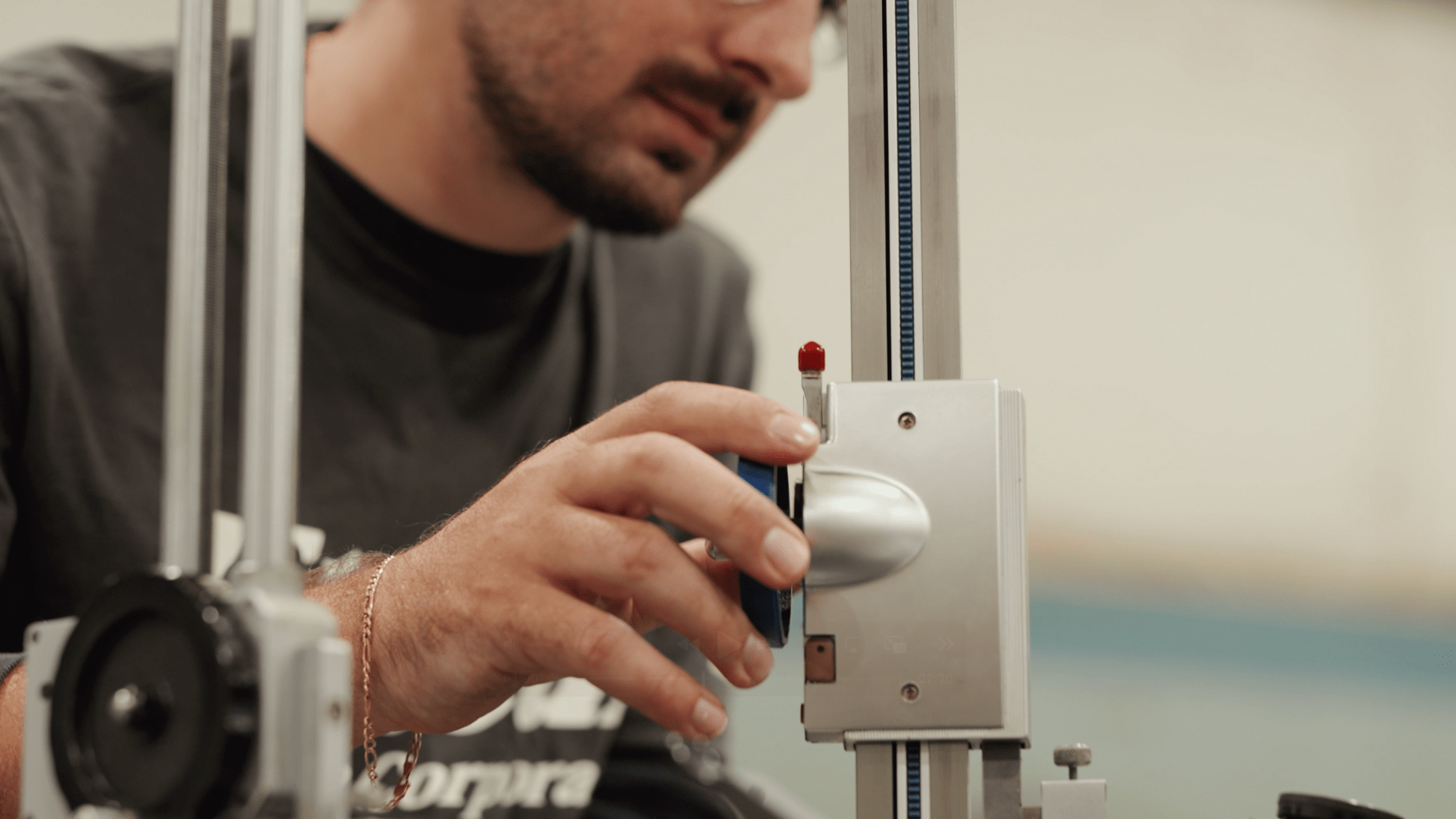
Modern defense systems demand parts with exceptionally tight tolerances, measured in microns.
Recently a manufacturer of Unmanned Aerial Vehicle engines came to Firstar needing a supplier to manufacture shims to achieve exact tolerances. These shims are thinner than human hair and require an extreme level of precision in the manufacturing process.
Firstar was able to assist as we are a Joint Certification Program-approved supplier who is also pursuing CMMC certification. Our team of highly-skilled engineers and machinists, along with our processes and capabilities, are equipped to achieve defense contractors’ strict standards consistently.
These orders were placed as rated orders for the U.S. government – with requirements outlined in the Defense Priorities & Allocations System (DPAS) and Defense Federal Acquisition Regulation Supplement (DFARS). This means the order was directly tied to national defense or emergency preparedness and must be prioritized ahead of other commercial work.
The Firstar team understood the client’s needs, including the priority of the rated order, and were able to re-sequence other work orders to quickly produce these critical components. This level of commitment and accuracy is vital for military components.
Consistency Across Production Runs
Imagine manufacturing thousands of identical components for a fleet of aircraft or a batch of munitions. Consistency across production runs is paramount for quality control, maintenance, and overall system reliability.
CNC machining excels in this regard. Once a program is validated, the machine will reproduce the part with identical precision, whether it’s the first unit or the ten-thousandth. This reduces waste, streamlines assembly, and ensures that every mission-critical component functions exactly as intended.
Ability to Manufacture Intricate Parts
The capabilities of CNC machining extend to the production of defense components with complex geometries and innovative designs that would be impossible or impractical to manufacture using traditional methods.
Whether it’s the internal workings of a turbine, the aerodynamic contours of a fighter jet wing, or the ergonomic features of a specialized firearm, many components feature highly intricate details and internal channels.
At Firstar, we use a range of state-of-the-art machines to produce precision components, including 5-axis milling machines. These CNC milling and turning machines move cutting tools along multiple planes simultaneously, allowing for the creation of these complex shapes in a single setup, significantly reducing production time and increasing accuracy.
The result is high-quality components needed for mission-critical operations.
CNC Machining With Advanced Alloys
Defense applications often require components made from specialized materials that can withstand extreme environments.
Military parts use advanced alloys such as titanium, Inconel, molybdenum, and stainless steel. These materials are chosen for their superior strength-to-weight ratio, corrosion resistance, and ability to endure high temperatures and immense stresses.
CNC machines are capable of precisely machining these tough materials, creating components that can withstand the rigors of combat and demanding operational conditions.
Some of the most common materials our team works with include:
- Aluminum
- Carbon Steel
- Titanium
- Stainless steel
- Nickel alloys
Firstar works with a range of military and aerospace organizations, from private defense contractors to NASA, to identify and utilize unique materials. While some machining centers may steer away from these challenges, these are the type of problems our team enjoys solving.
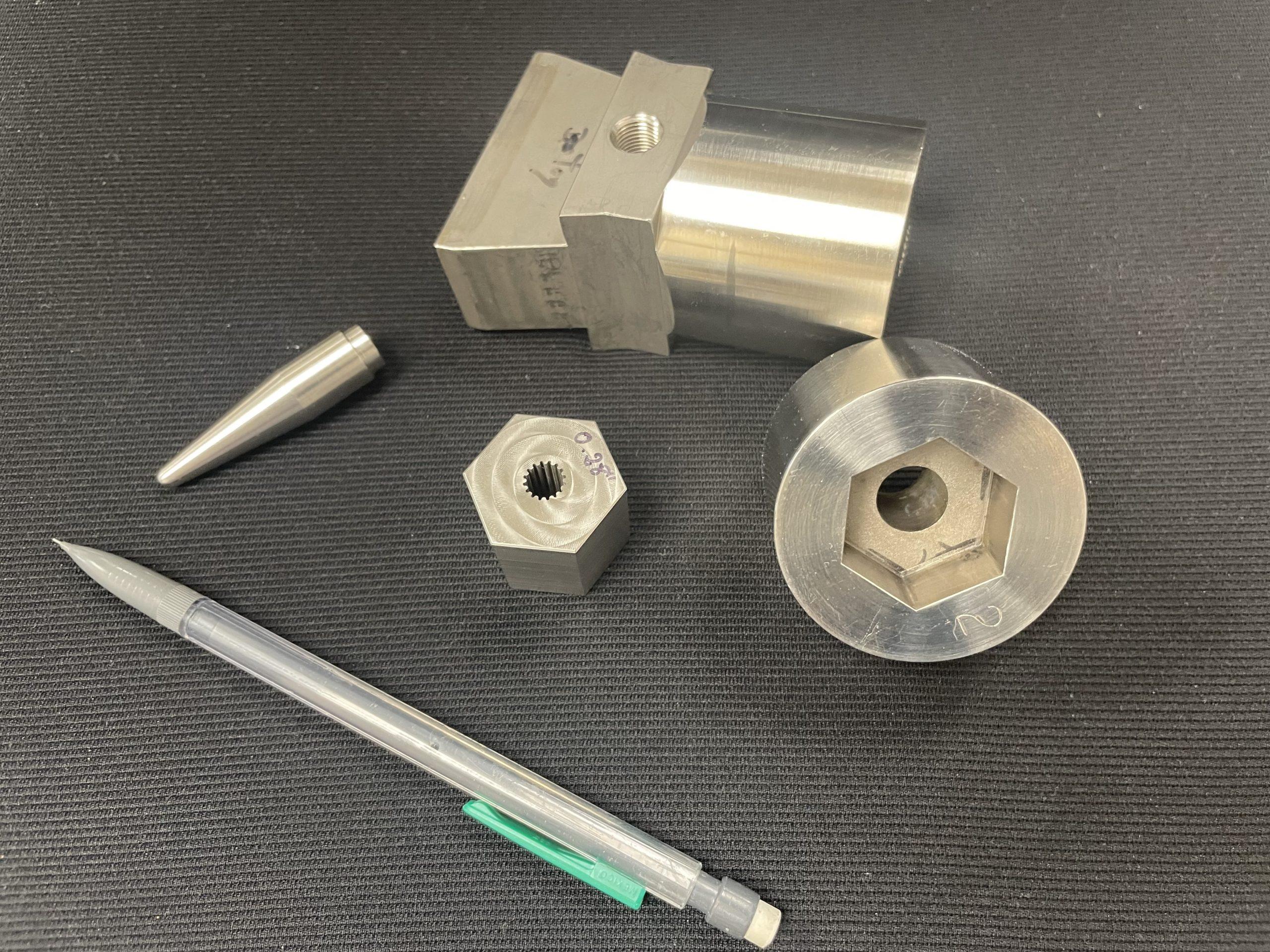
We work with a research team at NASA to manufacturer components out of an incredibly unique material: Shape Memory Alloys. These specialty metals, with a memory to return to their original shape, have been used for applications in the biomedical and space industries since the 1980s and have continued to expand their applications in recent years.
When the research team approached us, we knew this project would require extreme attention to detail. These materials are not only rare, but incredible expensive. It quickly became clear to us that we couldn’t waste a scrap of material.
Our team works closely with the NASA Glenn Research Center in Cleveland, Ohio to manufacture these custom components to their tight specifications. This partnership showcases the value in having a contract manufacturing partner that’s as dedicated to your mission as your in-house team.
5 Key Applications of CNC Machining in Defense
The reach of CNC machining within the defense sector is expansive. It touches nearly every aspect of military technology.
1. Aircraft Components
From brackets to housings to mechanical assemblies, CNC machining services are fundamental to military aircraft manufacturing. It ensures the precision fit and aerodynamic efficiency essential for flight performance and safety.
2. Spacecraft Systems
Space exploration demands lightweight yet durable components that perform reliably under extreme conditions. CNC machining meets these demands, and at Firstar, we specialize in machining high-performance parts suitable for spacecraft.
3. Defense Systems
From land-based vehicles to naval and air defense systems, CNC machining can produce rugged, high-performance components for weapons platforms, communication systems, and advanced technologies.
4. Engines and Propulsion Systems
Whether for jet engines or rocket propulsion, the right partners have expertise in machining high-strength alloys to ensure parts can endure extreme heat, pressure, and rotational forces.
5. Unmanned Systems
Precision is critical in unmanned systems such as drones and autonomous vehicles. CNC machining partners like Firstar provide components that can enhance performance and reliability in remote and automated operations.
How to Choose a CNC Partner for Defense Projects
When evaluating a CNC partner, prioritize their demonstrated experience working with defense contractors. Look for certifications such as the Joint Certification Program (JCP), which indicate their ability to access technical data controlled by the U.S. and Canada.
Ask about their track record with similar in-house projects and their understanding of military specifications and compliance standards. A contract manufacturer with a proven history in defense will be familiar with the necessary documentation, quality checks, and security protocols.
Secure a Precision CNC Machining Partnership for Long-Term Success
With this understanding of how CNC machining is the perfect pairing for military-grade parts, it’s time to take the next step in your project. We understand that there is no margin for error in your work, and we’re confident executing on demanding requirements. Firstar brings expertise, advanced capabilities, and a consistent commitment to quality that makes us a trusted partner for our military clients.
From high-performance aircraft and spacecraft to advanced defense systems, every component we produce meets the highest standards of precision, durability, and reliability. Contact us to talk about your project today.